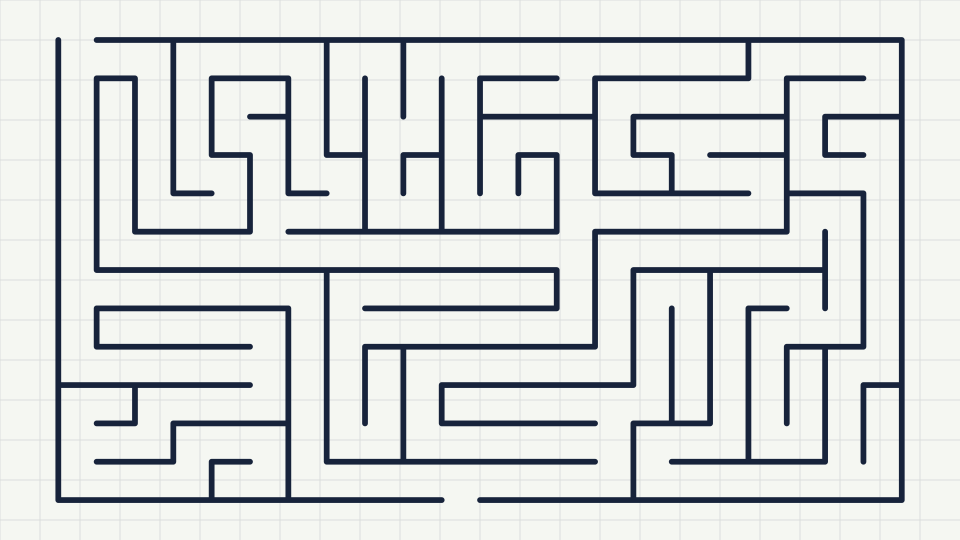
How to make a printable maze in under a minute
A step-by-step walkthrough of the maze generator: pick a shape, set the size, choose an algorithm, then print or download the maze as SVG or PNG.
 Maze Generator
Free · No sign-up
Maze Generator
Free · No sign-up
How mazes are built, how to make them harder or easier, how to print them well, and what to do with them once they are on paper.
A step-by-step walkthrough of the maze generator: pick a shape, set the size, choose an algorithm, then print or download the maze as SVG or PNG.
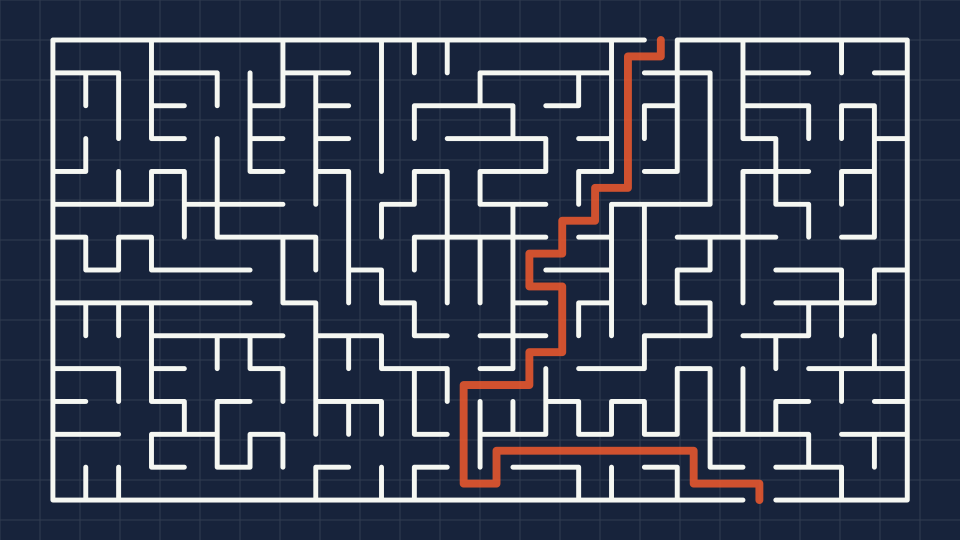
What actually makes a maze hard? Cell count, dead ends, solution length and the algorithm all play a part. Learn how to tune each one.
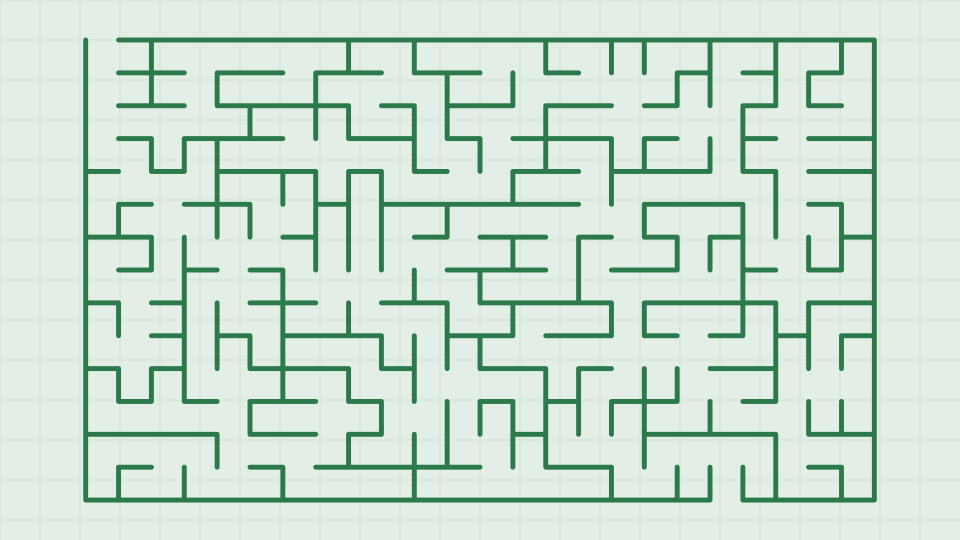
The four generation algorithms in the tool produce visibly different mazes. Here is what each one does and when to use it.
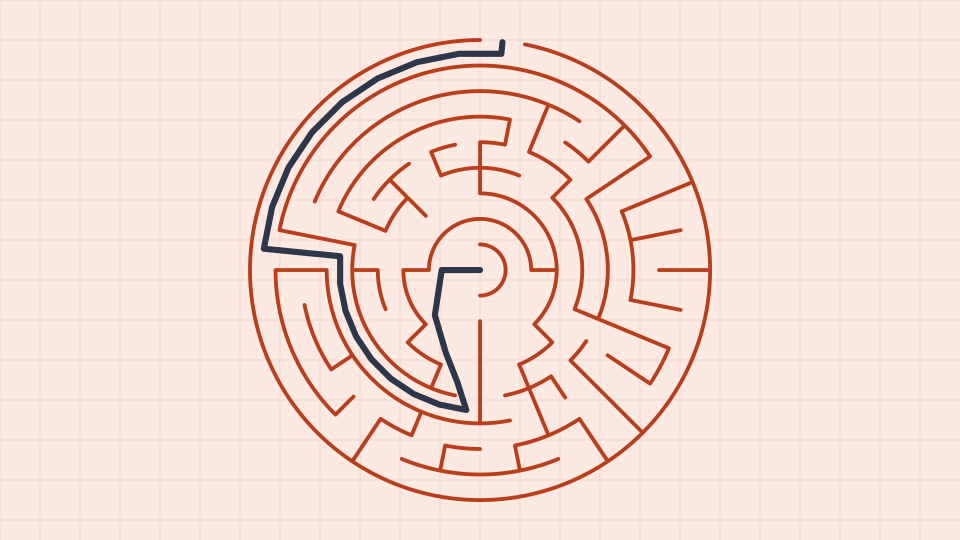
Polar (theta) mazes use rings and spokes instead of rows and columns. Learn how cells are split as rings grow and how to get a good circular maze.
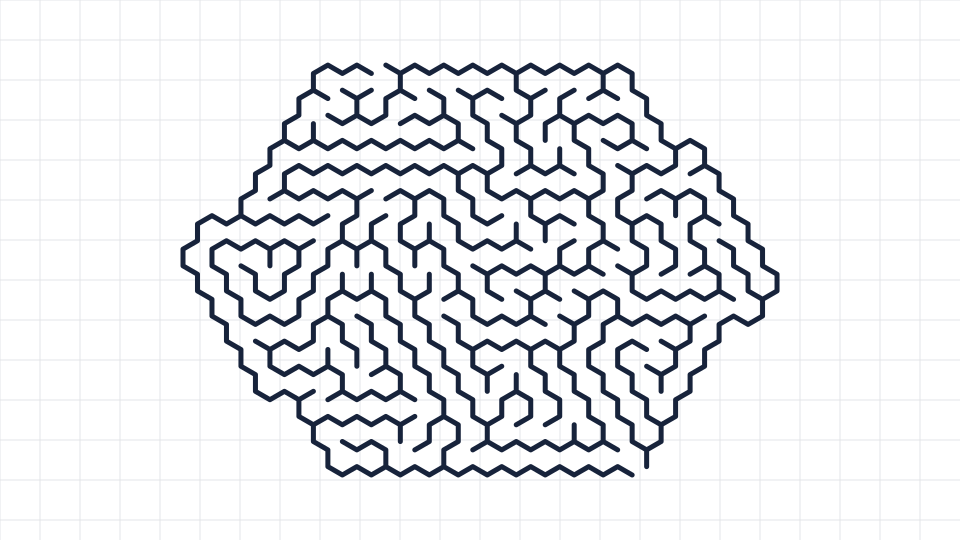
Square cells are only the beginning. Hexagonal (sigma) and triangular (delta) cells change how a maze looks and how it plays.
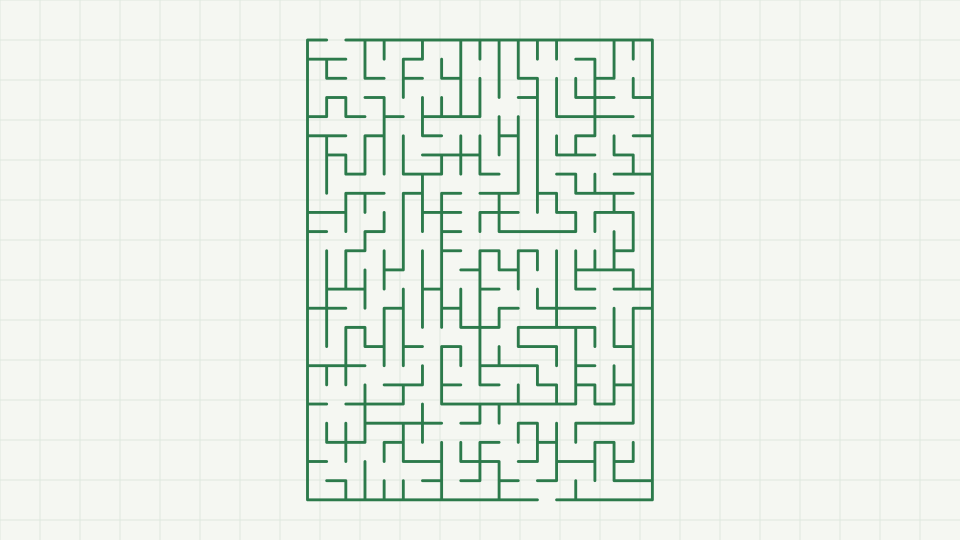
Planning a maze book for KDP or another print-on-demand service? Here is how to generate consistent pages, keep answer keys, and what the licence allows.
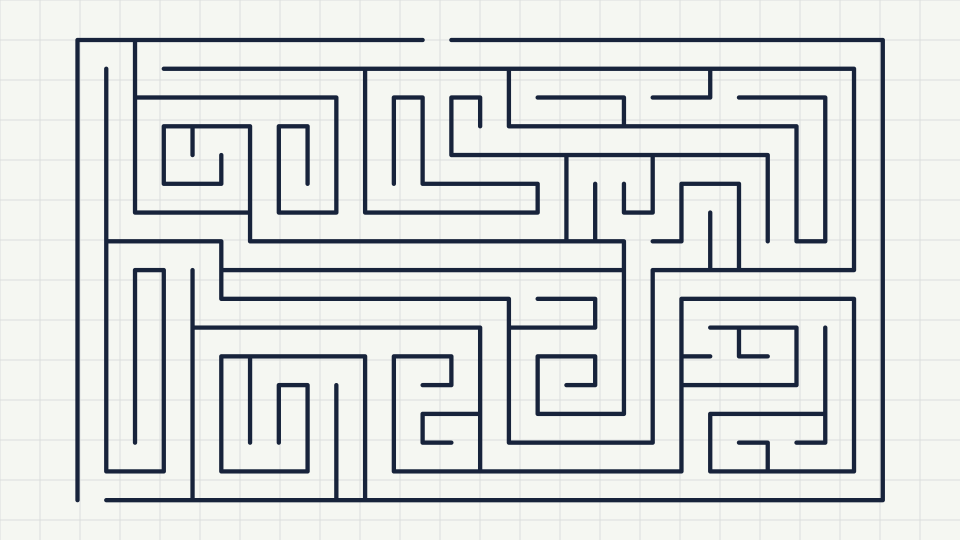
Which file to download, what size to print at, and how to avoid the fuzzy walls and clipped edges that spoil printed mazes.
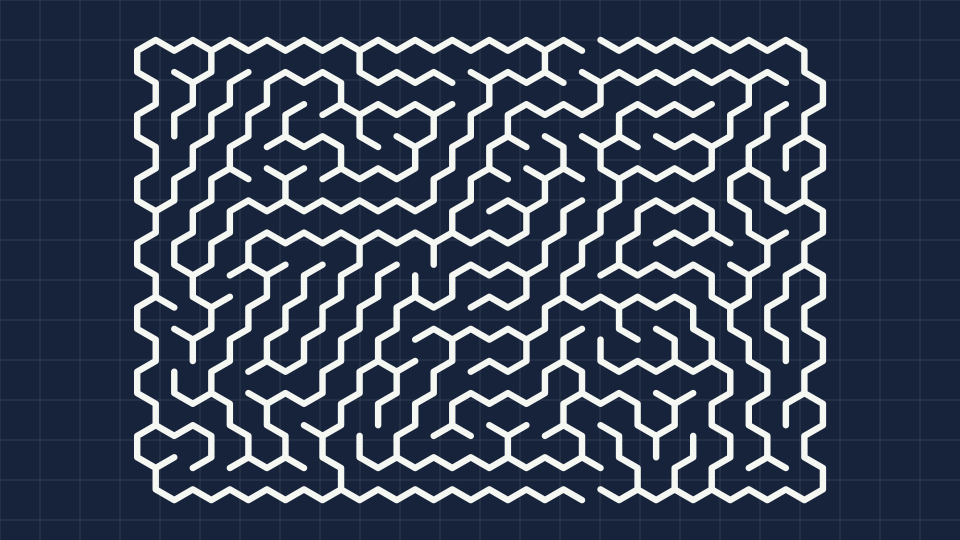
Every maze has a seed. Learn what it is, how to use it to reproduce a puzzle, and how the shareable link works.
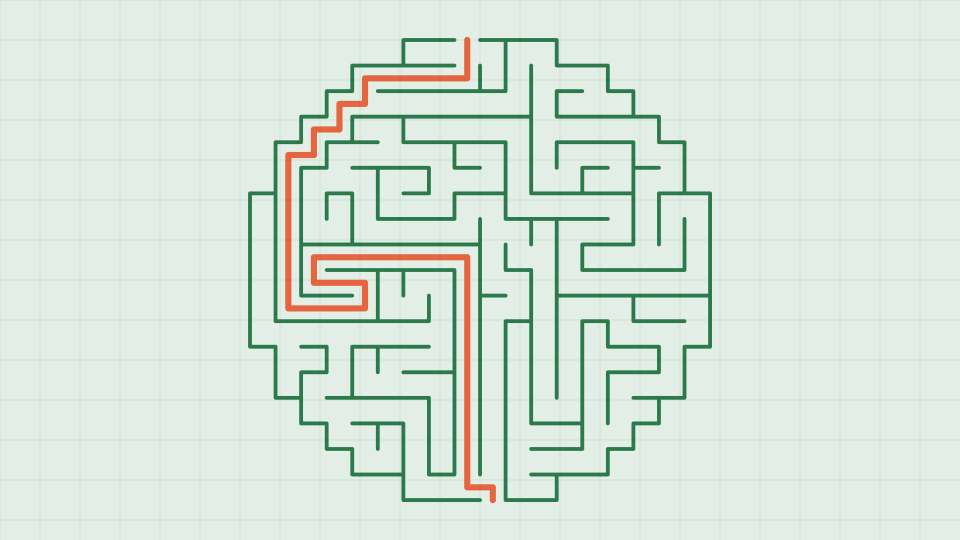
Mazes build pencil control, planning and persistence. Here are lesson ideas for early years through secondary, with settings for each.
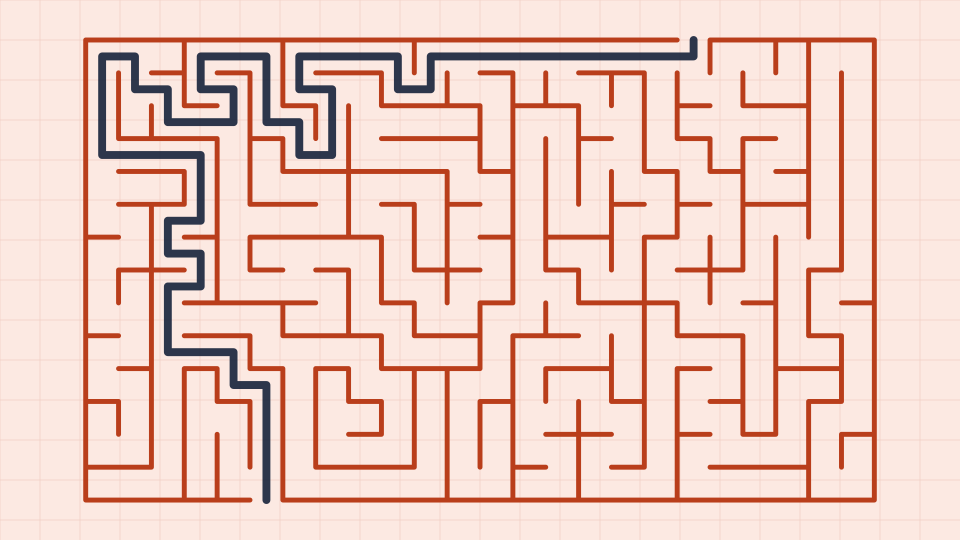
Three reliable methods for solving any maze on paper, why they work, and which one is fastest for the mazes this tool makes.
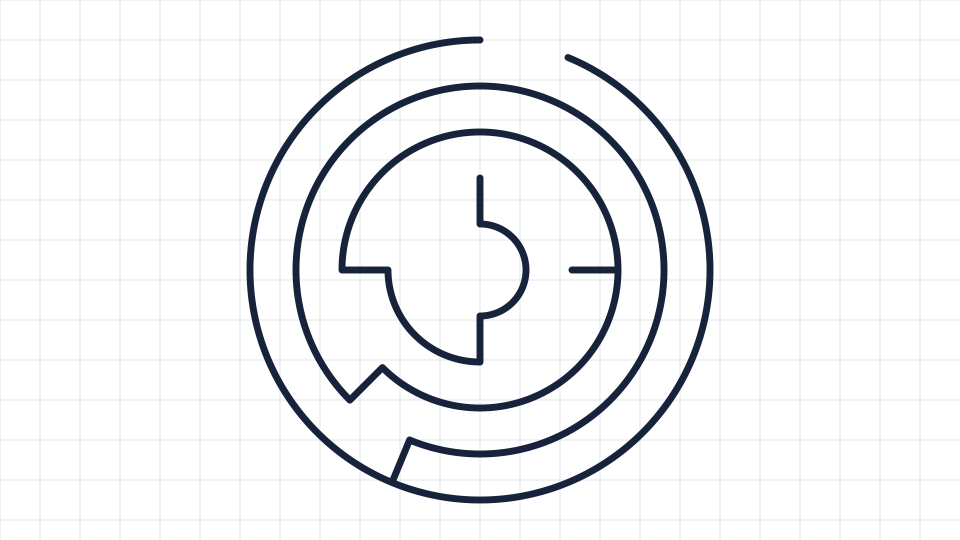
Labyrinths have one path; mazes have choices. From Knossos to the hedge maze to the activity book, how the puzzle evolved.
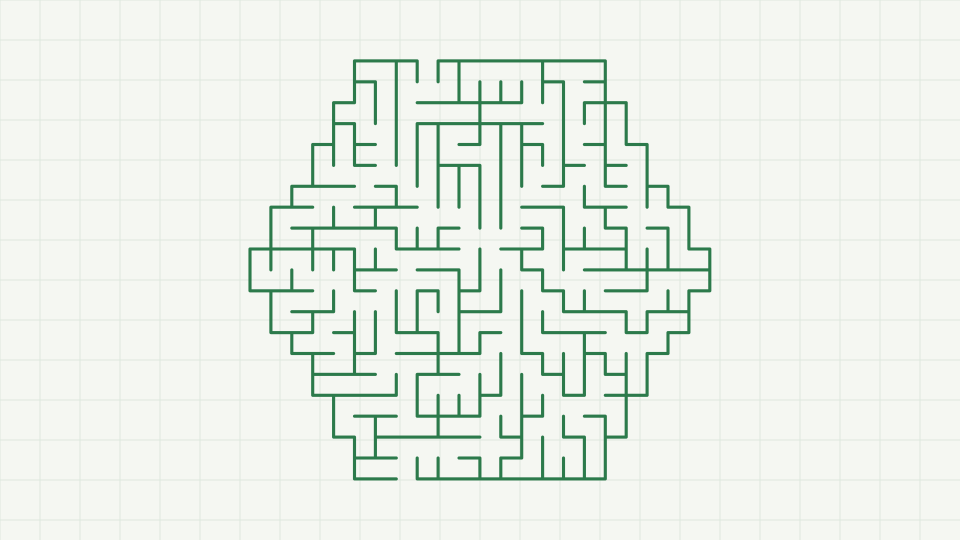
Turn a generated maze into a party game: giant floor mazes, clue mazes, invitations and printable escape-room puzzles.
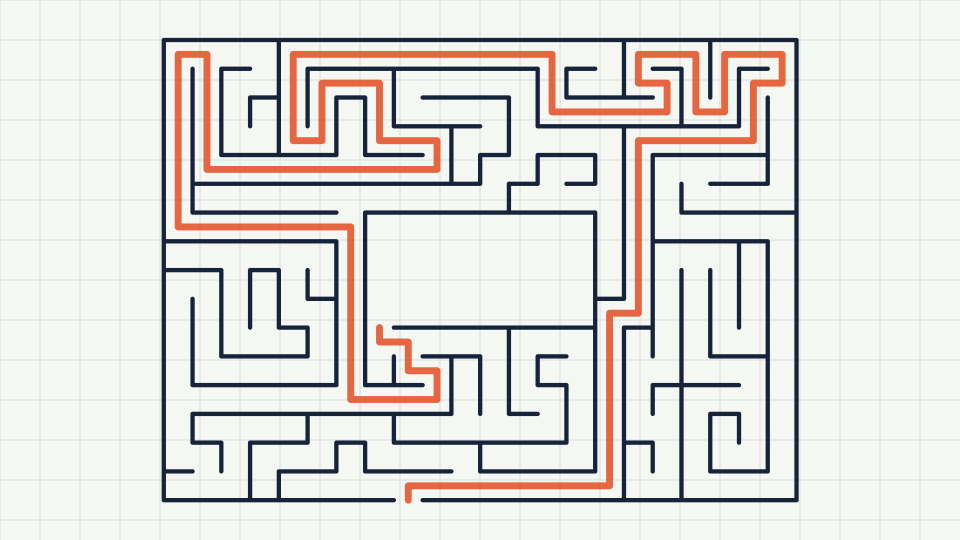
The inner room option carves a walled chamber into the middle of the maze. Here is how it works and how to use it for treasure and escape puzzles.
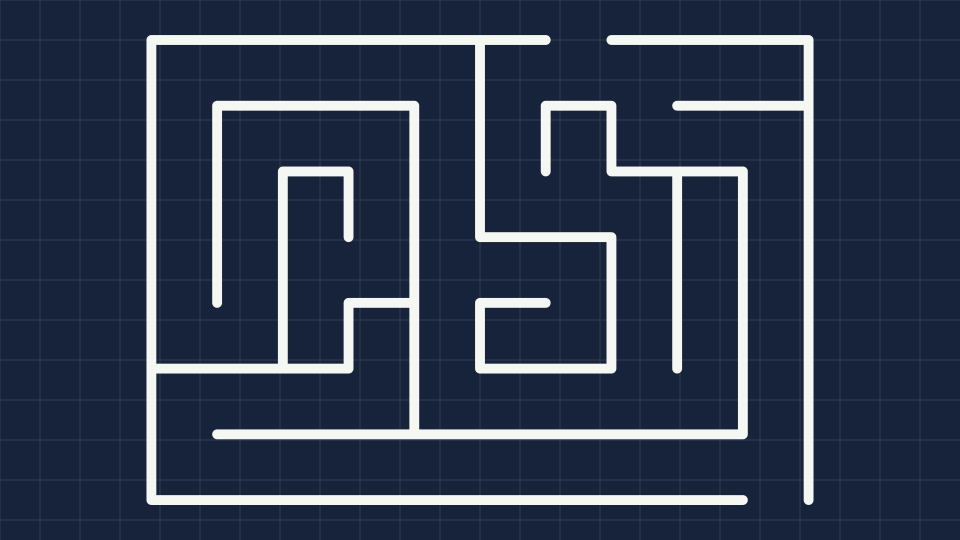
Line thickness, contrast, cell size and shape choices that make a maze easy to see and easy to trace with a pencil or a finger.
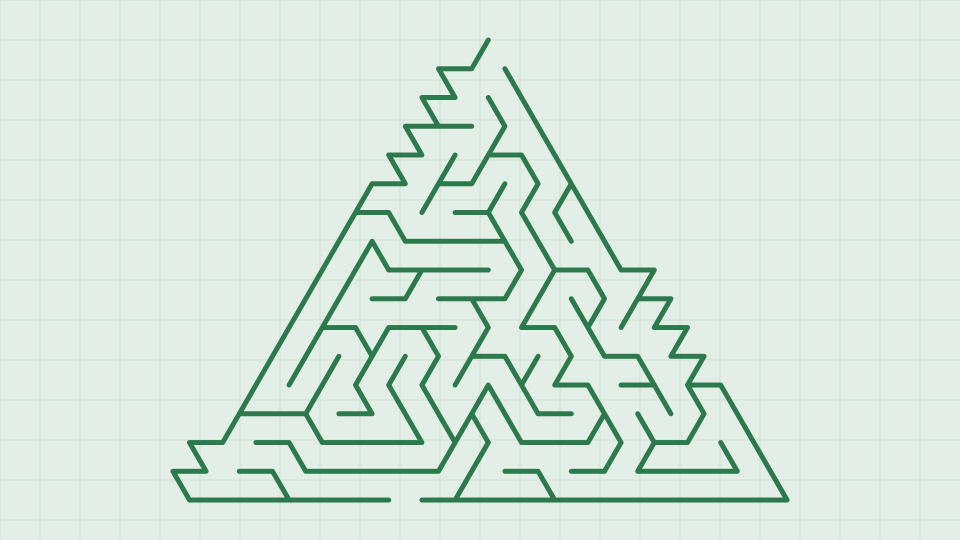
Shapes, algorithms, export formats, seeds, licensing and privacy: a checklist for choosing a maze generator and where this one stands on each point.